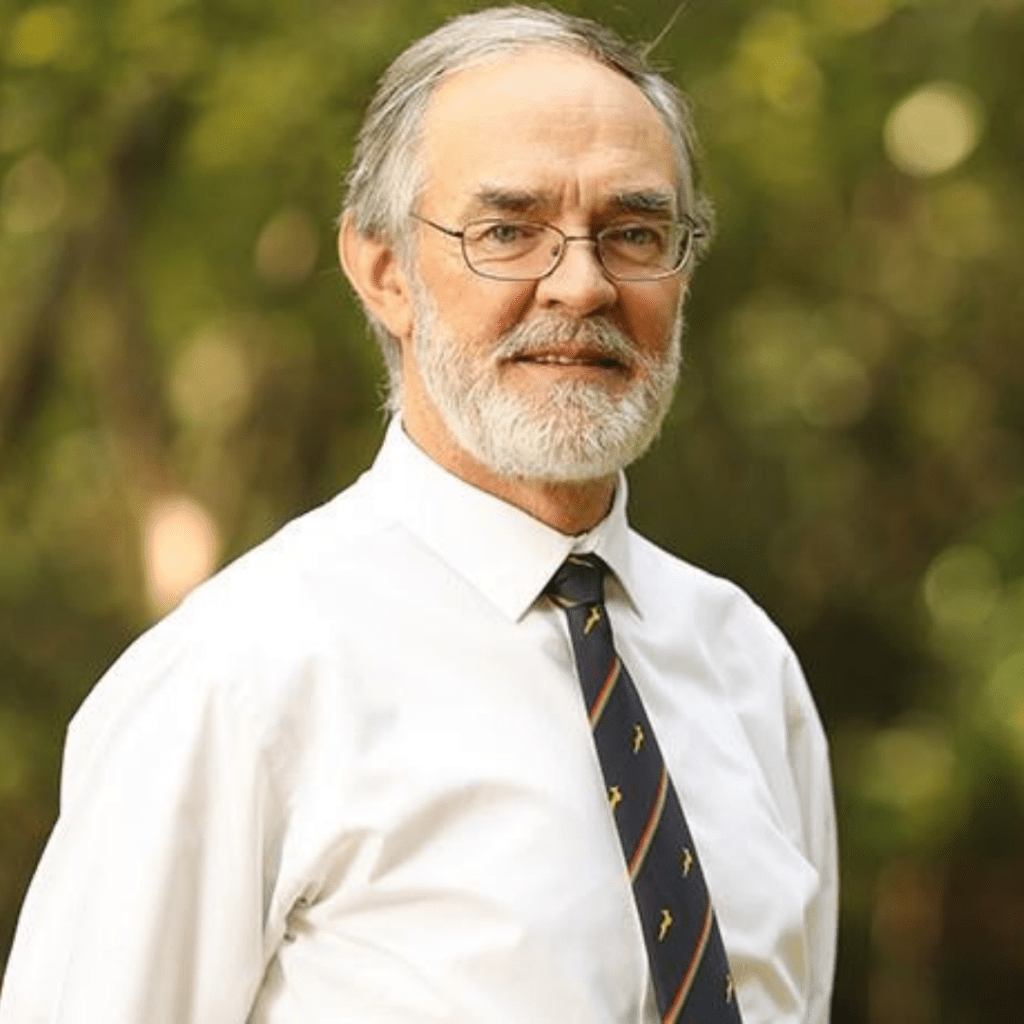
An informed keynote address by Dr Roelof Botha
In the midst of unprecedented exchange rate volatility during 2016, the South African currency slowly but surely started to shed its undervalued status.
In the process, the rand has been one of the best-performing currencies in the world over the past 12 months, strengthening by 21% against the US dollar.
This outcome was accurately predicted by Dr Roelof Botha (part-time economic advisor to PwC) in January last year.
His current research indicates a number of reasons to believe that the rand will experience a relatively stable 2017, SA bonds will retain their investment grade status and that economic growth may surprise on the upside.
Global economy gaining some momentum
China facing structurally lower growth
The dawning of a new World order- multiple superpowers
International credit ratings agencies losing face
Labour unrest – a serious threat, but potential solutions exist
The nature of social unrest – a macro or micro-level problem?
Unpacking the NDP- which objectives will receive priority?
A time-line for the end of the tripartite alliance
GDP growth forecasts for SADC
Relatively low interest rate environment set to continue
Relatively stable exchange rate expected over the medium term
Trends in household consumption expenditure
Capital formation trends
Gradual return of the “wealth effect”
Constraints to and drivers of economic growth in 2015
The diminishing role of the mining sector
Threats facing agriculture & food security
Commodity cycle downturn enters 5th year – time for an upswing?
Energy – structural shifts in supply & the demand response
The portfolio investment industry – lucrative & growing
Dr. Roelof Botha is an acclaimed economist and one of South Africa’s most respected voices on political economics, macroeconomic policy and global market dynamics. With decades of experience spanning academia, public policy and private-sector consulting, he helps leaders make sense of complex economic forces and turn them into strategic advantage.
Holding a Ph.D. in Economics, Dr. Botha has lectured at leading universities and advised major organizations, government agencies and multinational corporations. His work bridges theory and practice, combining rigorous analysis with real-world application across sectors ranging from public policy and infrastructure to corporate strategy and financial services.
As a consultant and keynote economist, he is known for his ability to decode global and regional economic shifts, explain how political decisions ripple through markets and provide forward-looking perspectives that support decision-making in uncertain times. His presentations are valued for their clarity, structure and relevance, making intricate financial concepts understandable and actionable for diverse audiences.
Dr. Roelof Botha is one of South Africa’s most respected economists and a highly sought-after keynote speaker for corporate events, conferences, and strategic forums. With more than five decades of experience in academia, financial journalism, business and public sector advisory roles, he brings
unrivalled insights and credibility to discussions around South Africa’s economic outlook and political dynamics.
He has shared a platform with two Nobel Peace Prize winners and is a previous winner of the Finmedia Economist of the Year award. His eldest son (also Roelof) is a partner at Sequoia Venture Capital in Silicon Valley, California, where he co-founded PayPal, You Tube and Instagram.
He has published more than 2,000 articles and research reports and more than 1,000 organisations (companies, employer organisations and public sector institutions) have utilised his experience in analysing key macroeconomic and socio-political trends in the Southern African region.
Dr. Botha holds postgraduate qualifications in economics, including honours and master’s degrees (cum laude) from the University of Pretoria and a Doctorate from the University of Johannesburg. He is currently the economic advisor to the Optimum Investment Group and is the author of several columns in national and regional publications, including Media24, Die Burger, BetterBond Property Brief and The Bright Side, published by the international firm Currencies Direct. He also compiles the Afrimat Construction Index.
As a former economic policy advisor at South Africa’s National Treasury and Chief Economist of the erstwhile SA Federated Chamber of Industries, Dr. Botha also draws on personal experience of the respective roles and functions of the public and private sectors in the South African economy.
Doc Roelof, as he is usually referred to, is well-known for his balanced perspective on South Africa’s socio- economic prospects, which have improved in the post-Covid era. The damage inflicted on the country as a result of a decade of state capture and mismanagement of the economy is slowly but surely being repaired, especially via a new economic policy approach that emphasises public/private partnerships. The latter is expected to gain traction now that South Africa has a government of national unity that is committed to free enterprise principles & preserving a Constitution that is aligned to the UN Declaration on Human Rights.
Recent accurate predictions include the GDP growth rate for 2024, the strength of the rand exchange rate since 2024, the sharp decline in South Africa’s inflation rate and the Springboks’ World Cup victories in 2019 & 2023! He has participated in various competitive sports, including soccer, cricket & parachuting and is a member of the Gideons.
Contact us at Speakers Inc and subscribe to our YouTube channel
In this fast-paced video, Dr. Roelof Botha opens with lighthearted humor, sharing stories about sports fandom and anecdotes to ease the audience into heavier economic content. He quickly pivots to the central theme of “silver linings,” contrasting the country’s previous period of political embarrassment with emerging improvements in economic leadership and confidence.
Dr. Botha notes that business sentiment has stabilized after years of uncertainty, and he emphasizes the importance of coordination between policy makers and private-sector operators. He critiques past governance failures, including cadre deployment and the appointment of unqualified leaders, which contributed to inefficiency and stalled service delivery. Using examples from municipalities and state-owned enterprises, he underscores how poor management has long undermined economic potential.
He then highlights the recent shift toward evidence-based policy panels and expert advisory groups, pointing to these developments as positive signs. He suggests that future collaboration with respected analysts and experienced executives could help guide government decisions and improve practical implementation.
Addressing public-sector challenges, Dr. Botha stresses that smoother operations and better-run departments immediately translate into job creation and tax revenue. He illustrates this with a humorous story about a wildlife encounter, emphasizing how quick, decisive action can turn a crisis into an opportunity—mirroring the urgency needed in economic reform.
Dr. Botha also discusses improvements in South Africa’s fiscal position, including a stronger trade surplus and the stabilizing effect of a weaker currency on exports. He notes that some sectors, such as mining, agriculture and manufacturing, have shown resilience, helping reduce domestic debt levels and support pension fund performance.
This conversation begins with host Jaco Nel introducing Dr. Roelof Botha, highlighting his expertise in political economics and his ability to translate complex economic issues into accessible insights. The discussion focuses on key economic questions frequently raised by clients, particularly around South Africa’s fiscal position, growth trajectory and investment environment.
Dr. Botha opens by addressing South Africa’s debt-to-GDP ratio of 72.7 percent. He emphasizes that the figure does not alarm him, largely because the ratio reflects Eskom’s large debt takeover, and because the denominator—GDP—can offset the burden if economic growth accelerates. He explains that the key to stabilizing debt is not austerity alone but fostering growth, which raises revenue and lowers the ratio naturally. He also argues that lower interest rates would help unlock growth by easing pressure on households and reducing the cost of capital.
Turning to GDP prospects, Dr. Botha notes that forecasts from leading economists and the IMF project stronger growth next year, approaching 2 percent. He attributes this to shifts toward a new economic policy mode, effectively a form of privatization under different terminology. He points to major changes in logistics, rail and energy, as well as increased renewable energy investment and rising capital formation, as key contributors to recovery. He firmly states that he does not foresee a recession this year or next.
In this short video, Dr. Roelof Botha offers a concise look at the key drivers that will determine economic performance in the years ahead. He begins by referencing well-known philosophers and economists to emphasize that predicting the future requires clear thinking, solid reasoning and an understanding of structural forces rather than emotion or pessimism.
He explains that one of the most overlooked factors influencing long-term economic growth is demographics. Countries with youthful populations naturally have stronger growth potential because expanding workforces stimulate production, innovation and consumption. He notes that South Africa benefits from this demographic advantage while many European economies face the opposite—ageing populations that slow economic momentum.
Dr. Botha also mentions the impact of interest rates and inflation, reiterating that these variables are often symptoms rather than root causes of growth outcomes. He highlights that the European Union has seen slow growth primarily because of demographic pressures, not simply policy missteps.
Speaker fees can vary depending on factors such as expertise, demand, and event specifics. While some speakers may charge a flat fee for their services, others may have hourly rates. It’s best to discuss fee structures directly with the speaker or their representative to understand the pricing model.
Virtual speaking appearances can indeed offer cost savings compared to in-person events. Virtual speaking rates are often 10-50% cheaper than in-person rates due to factors such as reduced travel expenses and logistics. This makes virtual events a cost-effective alternative for organizations looking to book speakers within a budget.
Keynote speeches typically range from 30 to 90 minutes, with the duration determined by the speaker’s expertise, the event’s agenda, and audience preferences. Keynote speeches often include a combination of inspirational stories, practical insights, and actionable advice tailored to the event’s theme or objectives.
The scale of the event and audience size can indeed impact a speaker’s fee. Larger events with a broader reach or higher attendance may command higher fees due to increased exposure and demand. Conversely, smaller events or niche audiences may offer opportunities for more flexible pricing arrangements.
Travel expenses such as transportation, accommodation, and meals are typically negotiated separately from the speaker’s fee. These costs vary depending on the speaker’s location, travel distance, and event duration. It’s important to clarify travel arrangements and expenses during the booking process to avoid misunderstandings.
Many speakers require a deposit to secure a booking, with the remaining balance due closer to the event date. Deposits are often non-refundable and serve as a commitment from both parties. It’s advisable to discuss deposit requirements and payment terms with the speaker or their representative when finalizing the booking.
Ready to find the perfect speaker for your event? Use our advanced search feature or contact us to get started today!
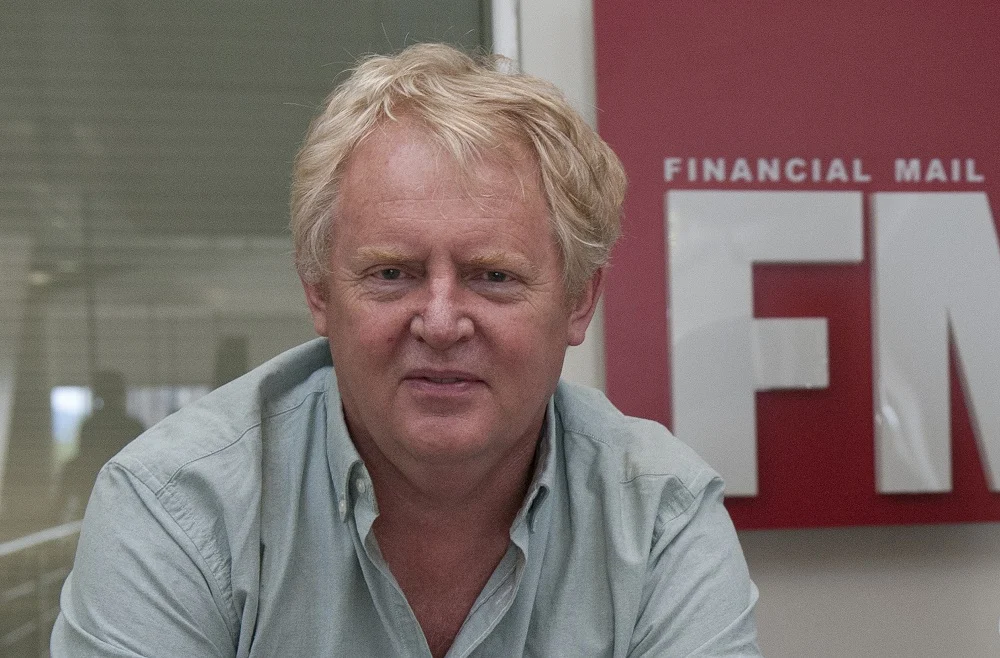
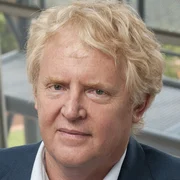
Tim Cohen, a seasoned business editor and journalist, has profoundly shaped South Africa’s economic reporting landscape with his incisive analysis and commitment to truth. Before joining the highly respected Daily Maverick as Business Editor, Cohen served as the editor of Business Day, one of South Africa’s premier financial newspapers. His career began on the pages […]
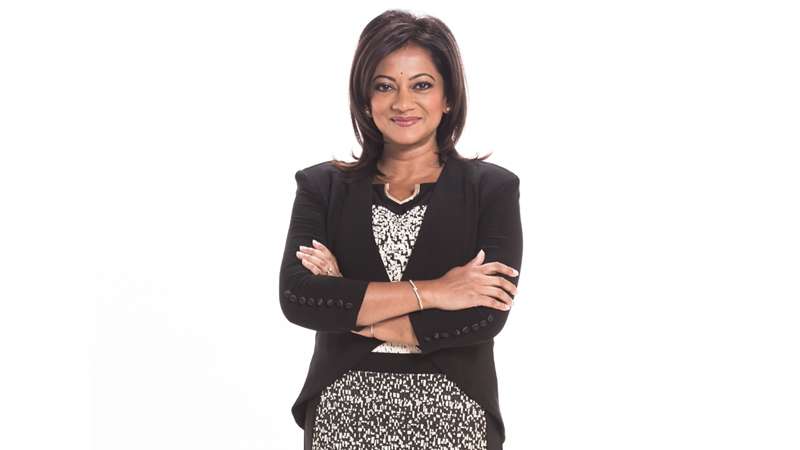

Armed with an MBA, she has built a brand of trust, authenticity, and justice. Devi currently sits on two boards and, after 18 years at “Carte Blanche,” South Africa’s longest-running investigative television show, she joined eMedia (eTV and eNCA) in 2020. Amidst a global pandemic, she launched “The Devi Show,” which has garnered millions of […]
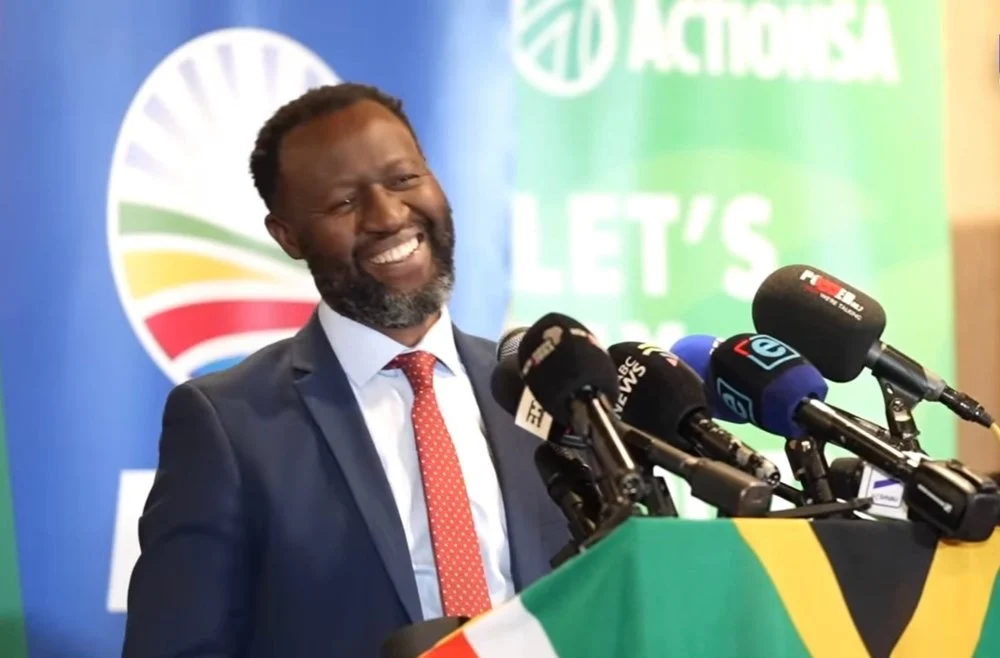
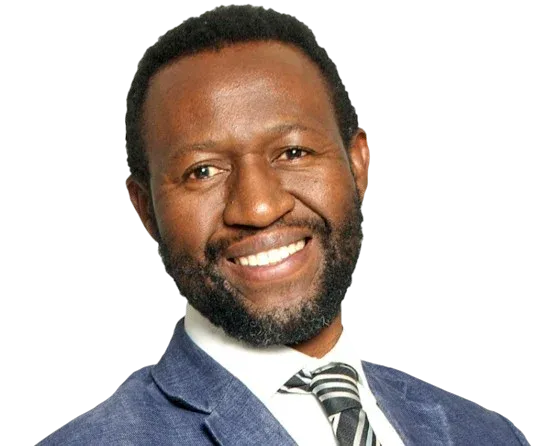
William M Gumede is Associate Professor, Public and Development Management and former Convener, Political Economy, School of Governance, University of the Witwatersrand, Johannesburg; and Professor, Management, Elsenburg, Stellenbosch. He is a multiple no. 1 bestselling, award-winning South African author. He is the Founder and Executive Chairperson of Democracy Works Foundation, the Founder of the Institute […]
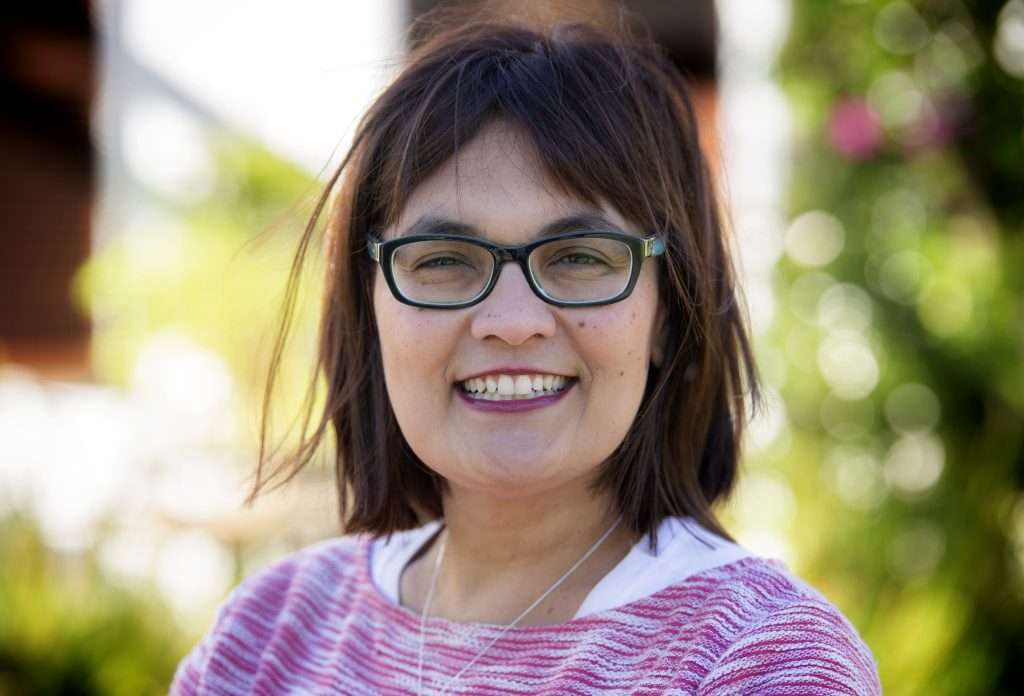

Judith February is a lawyer, governance specialist and columnist. She is based at the Institute for Security Studies (ISS) as a Senior Research Associate and is a Visiting Fellow at the WITS School of Governance. Prior to that she was executive director of the Human Sciences Research Council’s Democracy and Governance unit and also head […]
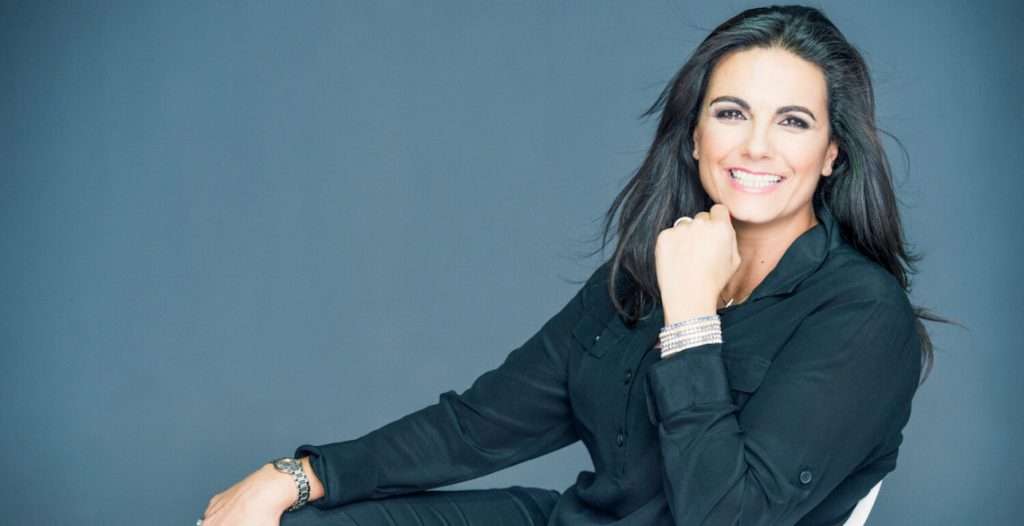

Leanne Manas is a household name in South African broadcasting, renowned for her role as the anchor of Morning Live, the South African Broadcasting Corporation’s flagship morning show. With a career that spans over two decades, she has garnered widespread respect for her eloquence, professionalism, and unflappable demeanor in front of the camera. Her ability […]


Karyn Maughan is a senior legal journalist at News24, documentary producer and bestselling author. She appears on SABC, Newzroom Afrika and eNCA. She is a BBC contributor. She was the associate producer on aN Amazon Prime Documentary on Oscar Pistorius. The four-part series, called “Pistorius” and was shortlisted for the prestigious Grierson award. She also […]
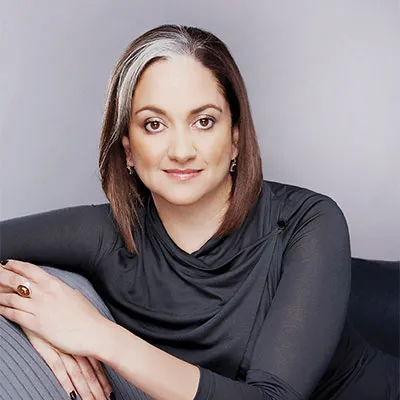
Ferial Haffajee is a South African editor and journalist. She is currently editor-at-large, Huffington Post SA and also editor of the African National Centers for Investigative Reporting (ANCIR) and is a researcher at the Public Affairs Research Institute. Previously, Ferial was editor-in-chief at the Mail and Guardian and City Press. She is a regular analyst […]
No results available
These remain the property of its owner and are not affiliated with or endorsed by Speakers Inc.
All talent fees exclude VAT, travel and accommodation where required.
Our Mission
Our Mission:
© All rights reserved 2025. Designed using Voxel