Keynote speaker and innovation entrepreneur
Entrepreneurs, sustainability leaders, youth programmes, innovation departments, universities, development organisations, and conferences focused on problem solving and social impact
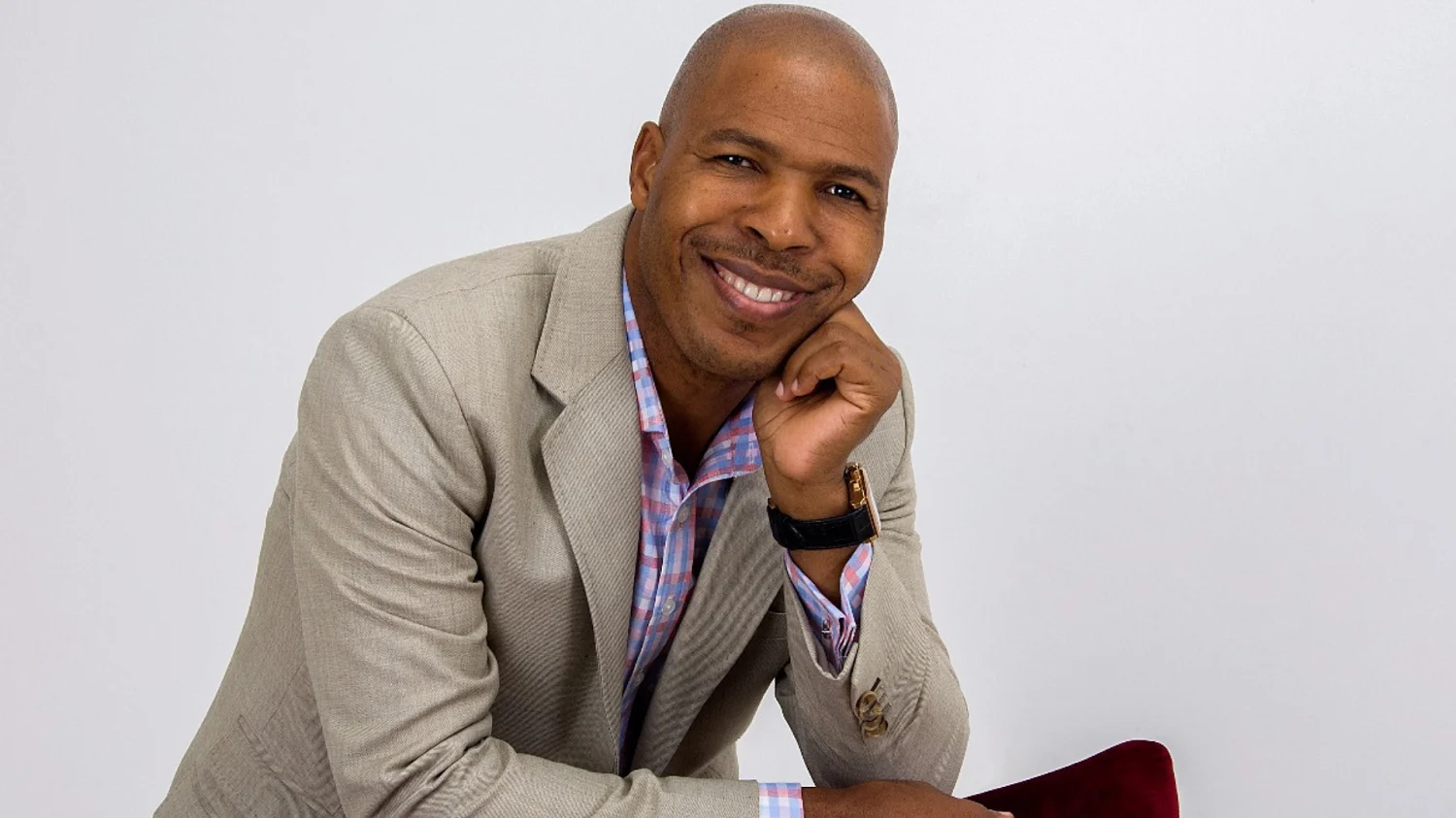
Ludwick Marishane is the founder and Managing Director of Headboy Industries Inc., internationally recognised for inventing DryBath at just seventeen years old. Today, he leads the company’s strategy validation, business development, and organisational culture, ensuring teams remain both mindful and disciplined as they build solutions that advance global hygiene and sustainability.
In 2011, Ludwick was named the Best Student Entrepreneur in the World after winning the Global Student Entrepreneurs Awards, and that same year Google listed him among the twelve brightest young minds on the planet. His work is fuelled by a commitment to creating a more sustainable society—one in which individuals can thrive without the constraints of basic survival needs. He believes that true success is the freedom to do meaningful work without the burden of securing basic necessities, defining joy as the ability to rise to a challenge with purpose.
DryBath began as his response to a global hygiene problem, where families in water scarce regions were spending significant amounts of money on bottled water simply to bathe. Ludwick envisioned a new category in hygiene and a business model that could serve both low income communities and mainstream retail markets. The innovation journey—documented widely—demonstrates his resilience, the importance of focusing on the “why,” and the value of maintaining clarity on long term goals despite obstacles.
Ludwick Marishane is the founder MD of Headboy Industries Inc., after having invented DryBath at the age of 17. He is responsible for Strategy Validation, Global & Local Business Development and keeping everyone ‘mindful’ and ‘disciplined’.
In 2011, he was rates as the ‘Best Student Entrepreneur’ in the world (Global Champion of the Global Student Entrepreneurs Awards 2011). That same year, Google named him as one of the 12 brightest young minds in the world.
At the heart of his being is the pursuit of a sustainable society. A sustainable society, Ludwick Marishane says, is a successful one and that segues elegantly into our discussion. Like most young people in their formative years, success originally was defined by money. But the more successful he’s become, the more his definition has matured.
“Success is actually being able to do what you want to, and what you find joy in doing, without the burden of providing food for your family.”
Pretty impressive for a man under the age of thirty. I like the notion of linking success and joy. He defines his joy as rising to a challenge.
“When Ludwick Marishane started working on DryBath, the big problem I was dealing with was a solution to global hygiene where in some countries families were forking out a fortune on bottled water just to bath. So for me it was about developing a winning formula. I said to myself, I can build a hygiene company and create a new category on the retail shelf.”
Throughout the quest for the solution, and it’s been well documented, it was the joy of the challenge that kept him going. It’s a useful piece of advice for people who encounter adversity on the path to success: focus on the positive of why you are doing something in the first place and don’t lose sight of the big goal.
TIME Magazine named Ludwick Marishane as one of the ‘Top 30 Under 30 People That Are Changing the World’ in 2013.
He holds a Bachelor of Business Science, majoring in Finance & Accounting from the University of Cape Town.
Contact us at Speakers Inc and follow us on Facebook
In this engaging 5 minute TED-style talk, Ludwick Marishane recounts how growing up in Motetema, on the Limpopo–Mpumalanga border, shaped his perspective on inconsistent access to water and electricity. At age seventeen, while sunbathing with friends, a joking question about inventing something that would eliminate the need to bathe sparked an idea that would change the course of his life. Curious, he researched global hygiene statistics and discovered that 2.5 billion people lack proper access to water and sanitation, including millions across Africa. He explains the severity of related diseases such as trachoma, a preventable eye infection that causes eight million cases of permanent blindness each year. For Ludwick, this shifted the idea from personal convenience to a genuine attempt to address a global need.
With limited resources, no laptop, and only a basic Nokia 6234 phone, he conducted research using pay-per-hour internet café access and high school level science. He developed a formula, drafted a business plan, and eventually wrote his own patent on the phone—becoming South Africa’s youngest patent holder. The result was DryBath, a first-of-its-kind bath-substituting lotion that cleans the skin without using water.
He shares insights from bringing the product to market, including the need for single-use sachet packaging to match buying habits in low income communities. Priced at five rand per sachet, DryBath provides one bath substitute and addresses both convenience and life-saving hygiene needs. He notes that even affluent consumers see value in the product’s convenience and that widespread use could save significant water and time, especially for rural children who spend hours each day collecting water.
No reviews available for this post.
Speaker fees can vary depending on factors such as expertise, demand, and event specifics. While some speakers may charge a flat fee for their services, others may have hourly rates. It’s best to discuss fee structures directly with the speaker or their representative to understand the pricing model.
Virtual speaking appearances can indeed offer cost savings compared to in-person events. Virtual speaking rates are often 10-50% cheaper than in-person rates due to factors such as reduced travel expenses and logistics. This makes virtual events a cost-effective alternative for organizations looking to book speakers within a budget.
Keynote speeches typically range from 30 to 90 minutes, with the duration determined by the speaker’s expertise, the event’s agenda, and audience preferences. Keynote speeches often include a combination of inspirational stories, practical insights, and actionable advice tailored to the event’s theme or objectives.
The scale of the event and audience size can indeed impact a speaker’s fee. Larger events with a broader reach or higher attendance may command higher fees due to increased exposure and demand. Conversely, smaller events or niche audiences may offer opportunities for more flexible pricing arrangements.
Travel expenses such as transportation, accommodation, and meals are typically negotiated separately from the speaker’s fee. These costs vary depending on the speaker’s location, travel distance, and event duration. It’s important to clarify travel arrangements and expenses during the booking process to avoid misunderstandings.
Many speakers require a deposit to secure a booking, with the remaining balance due closer to the event date. Deposits are often non-refundable and serve as a commitment from both parties. It’s advisable to discuss deposit requirements and payment terms with the speaker or their representative when finalizing the booking.
Ready to find the perfect speaker for your event? Use our advanced search feature or contact us to get started today!



No results available
These remain the property of its owner and are not affiliated with or endorsed by Speakers Inc.
All talent fees exclude VAT, travel and accommodation where required.
Our Mission
Our Mission:
© All rights reserved 2026. Designed using Voxel