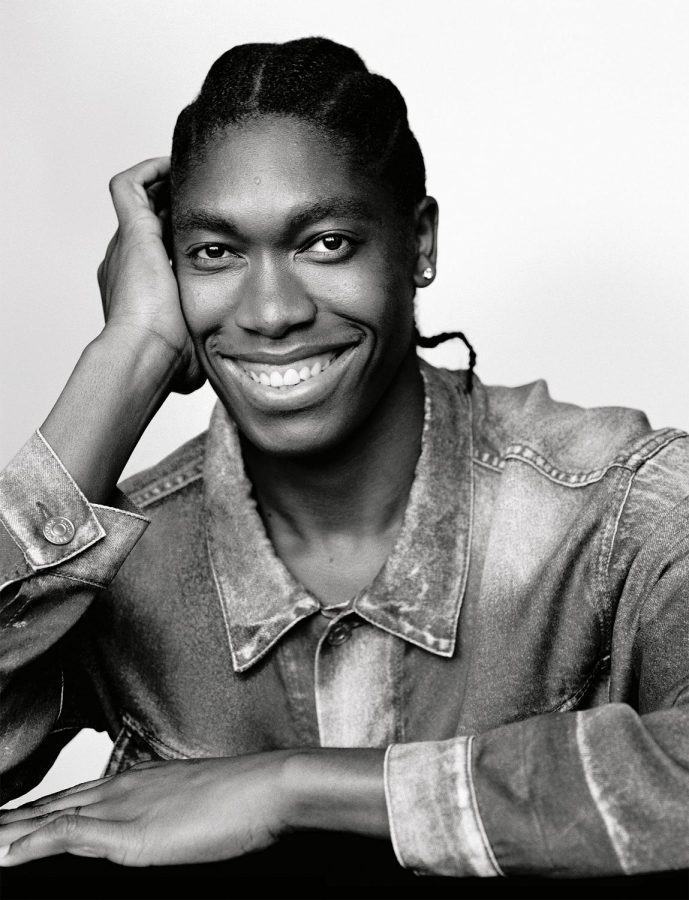
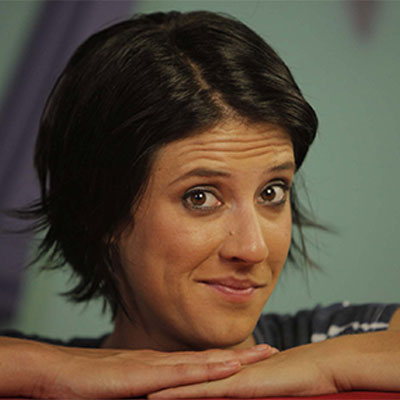
Elite middle-distance runner Caster Semenya is a two-time Olympic champion and global sports equity advocate redefining excellence, resilience, and competitive longevity at the highest level.
Quick Facts:
Highlights:
Two-time Olympic champion in the women’s 800m
Three-time world champion and Commonwealth Games gold medallist
Achieved 30 consecutive international wins at 800m
Successfully competed across 400m, 800m, and 1500m in a single championship session
Formats:
Elite track and field athlete and sports equity advocate
Audience:
Sports organizations, leadership audiences, athlete development programs, and institutions exploring resilience, fairness, and high-performance excellence.
Outcomes:
Understanding elite performance under sustained pressure
Insight into resilience amid institutional and public scrutiny
Perspective on ethics, inclusion, and governance in global sport
Caster Semenya is one of the most dominant middle-distance athletes in modern athletics history. A two-time Olympic gold medallist in the women’s 800m and three-time world champion, she built a legacy of consistency and competitive authority rarely matched in global track and field. At her peak, Semenya recorded 30 consecutive victories over 800m, underscoring her reputation as nearly unbeatable when healthy and uninterrupted.
Beyond medals, Semenya’s career has unfolded under extraordinary scrutiny. Living with differences of sexual development, she became the central figure in a prolonged legal and ethical debate after World Athletics introduced regulations requiring testosterone suppression for eligibility in certain women’s events. From 2009 onward, Semenya navigated years of appeals, court rulings, and enforced absences from competition, all while maintaining composure and public dignity.
In 2020, rather than withdraw from elite sport, Semenya pivoted events, announcing a move to the 200m to continue competing without medical intervention. Her decision highlighted both her versatility and her refusal to compromise personal integrity for participation. Today, Semenya is widely recognized not only for athletic excellence, but also for her influence on global conversations around fairness, human rights, and inclusion in sport.
Read Full Bio
Caster Semenya is a winner. The 29-year-old South African is the two-time women’s 800m Olympic champion, a three-time 800m world champion and a double Commonwealth Games middle distance gold medallist. To wrap those figures in further context, when Semenya won the Doha Diamond League 800m in May 2019, it was her 30th consecutive victory over the distance.
Put simply, when fit, in-form and free to run without distraction, Semenya is almost unbeatable over the 800m. But these are not circumstances often afforded to Semenya, who lives with a condition in which her body produces a much higher level of testosterone than most other women.
In 2009, on the eve of the women’s 800m World Championship final, it was revealed that World Athletics (then the IAAF) had asked her to undergo gender verification testing. Semenya was permitted to compete in the final and won gold but was subsequently stopped from competing for nearly a year.
In 2011 the IAAF established official rules restricting female athletes with elevated levels of testosterone, arguing it presents an unfair advantage. From 2011 to 2019 Semenya was locked in a cycle of appeals and court cases until the Court of Arbitration for Sport ruled in favour of IAAF regulations stating that female athletes with differences of sexual development (DSD) are required to take testosterone-reducing medication to compete in track events from 400m to the mile.
Caster Semenya has appealed against this judgement to the Swiss Federal Supreme Court. But in March 2020 the soft-spoken athlete revealed on social media that she now aims to compete in the 200m.
“My dream has always been, and will continue to be, to compete at the highest level of sport and so in order to pursue my goals and dreams I have decided to change events and compete in the 200m,” said Caster Semenya, whose personal best in the 200m at the time was 23.49 seconds.
Do not bet against Caster Semenya lowering that to the Olympic qualification mark of 22.80 seconds in time for Tokyo 2020. This, after all, is an athlete who won the 400m, 800m and 1500m in the space of three hours one extraordinary afternoon at the 2016 South African National Championships.
Speaker fees can vary depending on factors such as expertise, demand, and event specifics. While some speakers may charge a flat fee for their services, others may have hourly rates. It’s best to discuss fee structures directly with the speaker or their representative to understand the pricing model.
Is it less expensive to hire a speaker for a virtual event than for an in-person event?
Virtual speaking appearances can indeed offer cost savings compared to in-person events. Virtual speaking rates are often 10-50% cheaper than in-person rates due to factors such as reduced travel expenses and logistics. This makes virtual events a cost-effective alternative for organizations looking to book speakers within a budget.
What is the typical duration of a keynote speech and what is included?
Keynote speeches typically range from 30 to 90 minutes, with the duration determined by the speaker’s expertise, the event’s agenda, and audience preferences. Keynote speeches often include a combination of inspirational stories, practical insights, and actionable advice tailored to the event’s theme or objectives.
Does the scale of the event and audience size affect a speaker’s fee?
The scale of the event and audience size can indeed impact a speaker’s fee. Larger events with a broader reach or higher attendance may command higher fees due to increased exposure and demand. Conversely, smaller events or niche audiences may offer opportunities for more flexible pricing arrangements.
Travel expenses and other costs
Travel expenses such as transportation, accommodation, and meals are typically negotiated separately from the speaker’s fee. These costs vary depending on the speaker’s location, travel distance, and event duration. It’s important to clarify travel arrangements and expenses during the booking process to avoid misunderstandings.
Deposits and securing a booking
Many speakers require a deposit to secure a booking, with the remaining balance due closer to the event date. Deposits are often non-refundable and serve as a commitment from both parties. It’s advisable to discuss deposit requirements and payment terms with the speaker or their representative when finalizing the booking.
Additional tips and takeaways
Virtual speaking appearances are a cost-effective alternative to high speaking fees, often 10-50% cheaper than in-person rates.
There is typically no difference in fee for a 15-minute speech versus a 60-minute speech.
Some motivational speakers are open to discounting their fee if hired for more than one event by the same organization.
When browsing speakers, consider their location to keep travel costs down.
Personal connections to your organization or event location can increase your chances of securing a renowned speaker.
Be upfront about your needs and expectations to ensure a successful partnership.
Speaker bureaus like Speakers Inc help guide you through the booking process to negotiate the best deal with favorable terms.
Ready to find the perfect speaker for your event? Use our advanced search feature or contact us to get started today!
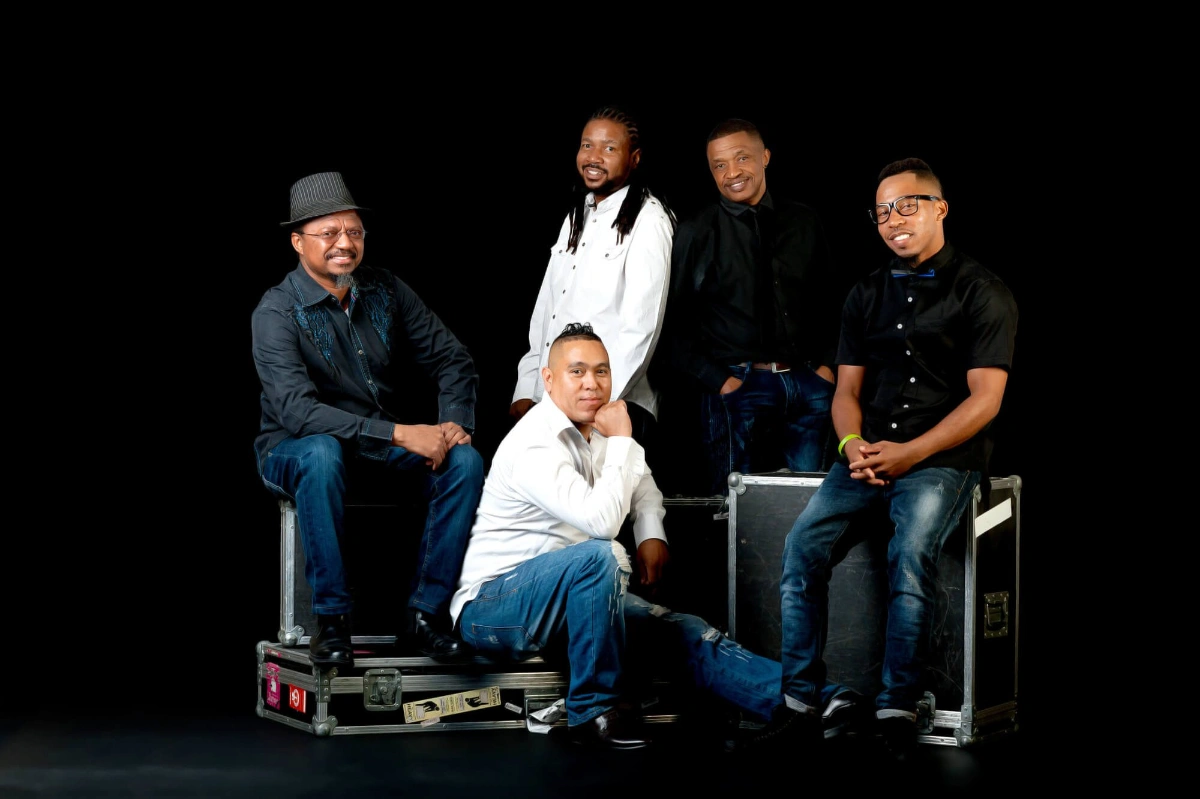
Dr Victor and the Rasta Rebels deliver high-energy, feel-good live performances that blend reggae, R&B, pop, and soul to ignite any audience and elevate every event.
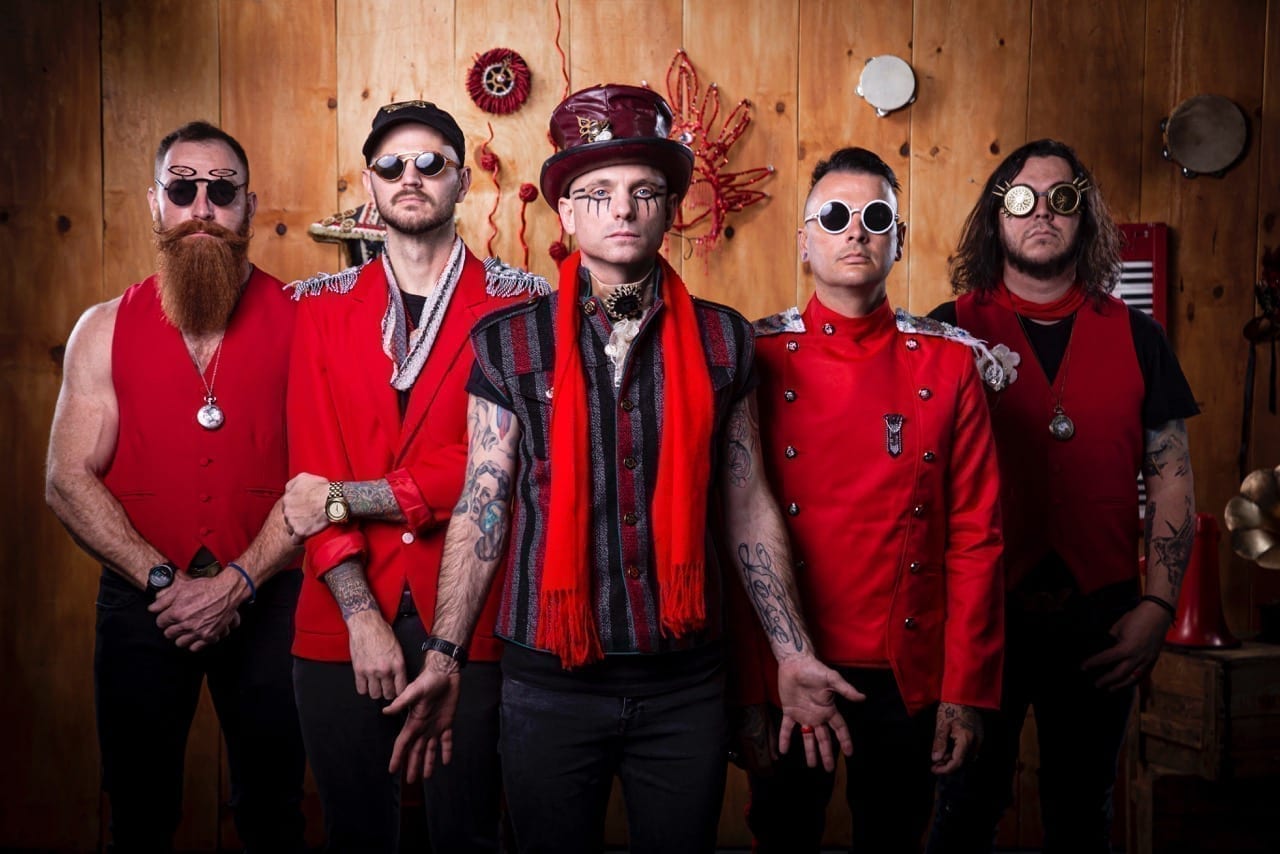
The Parlotones are a globally celebrated South African alt-rock band known for cinematic soundscapes and powerhouse live performances that captivate corporate audiences.
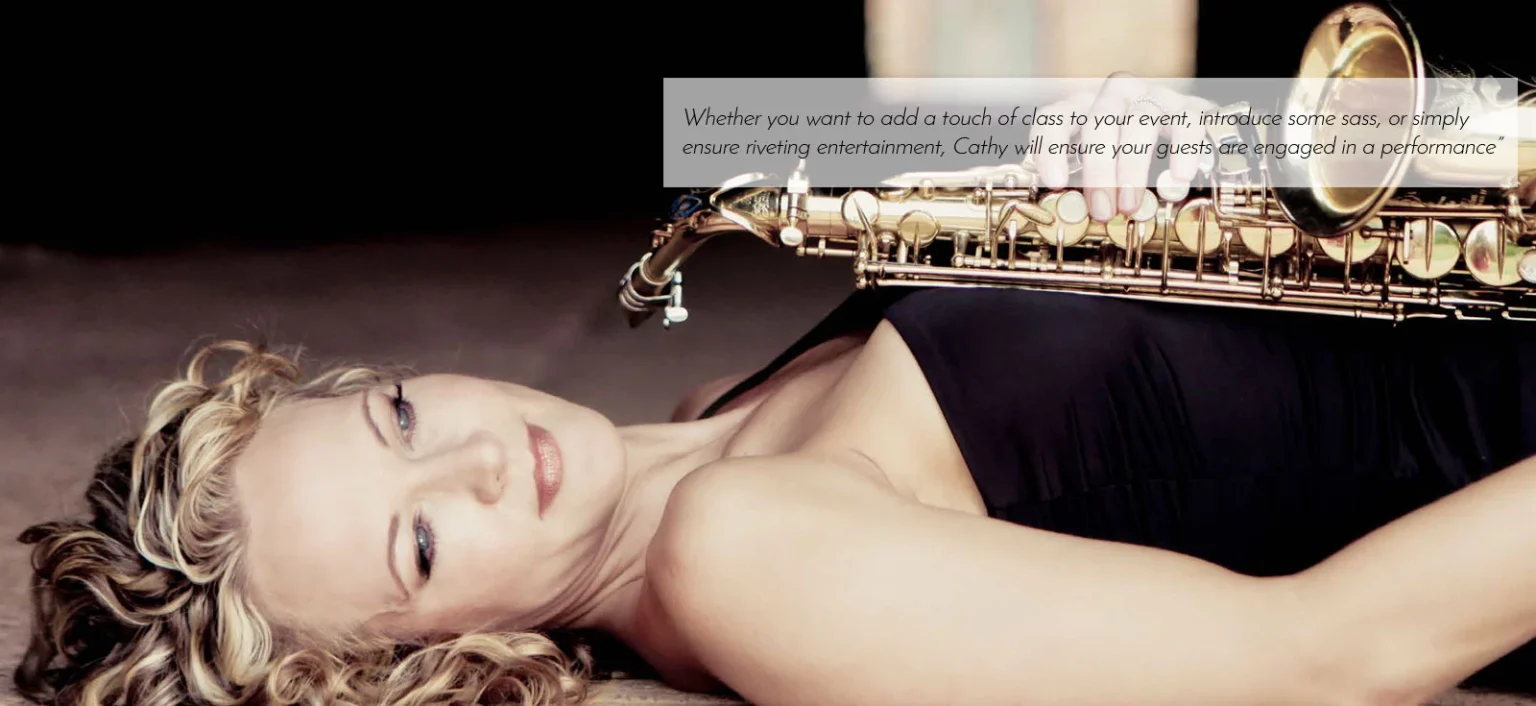
Cathy Del Mei is a versatile saxophonist and multi-instrumental performer delivering elegant, high-energy entertainment for corporate events, luxury venues, and theatre stages across South Africa.
Global futurist and strategy expert helping organizations navigate disruption, understand human dynamics, and build future-fit leadership for a rapidly changing world.
Wellness entrepreneur, bestselling author, and podcaster Mpoomy Ledwaba helps individuals heal, grow, and live holistically through mind, body, and spirit alignment.
Anne Hirsch is an Award-winning South African comedian, writer, and MC blending sharp wit, intellect, and fearless humor to create unforgettable entertainment.